*This is a different kind of entry in the Prime Lab series — a once-a-month "felt sense" piece_. I call it "In·Sight". It's something I planned from the very beginning of this journey — before I dove deep into the physiology of sleep, nutrition, and movement, I knew I wanted to talk, too, about the mental and emotional experiences behind the practice. The cravings. The failures. The confusion. The slow inner work.
This first In·Sight is about addiction — and why I can't let go of my cell phone.
A heavy, humid summer night. The kind of heat that doesn't move.
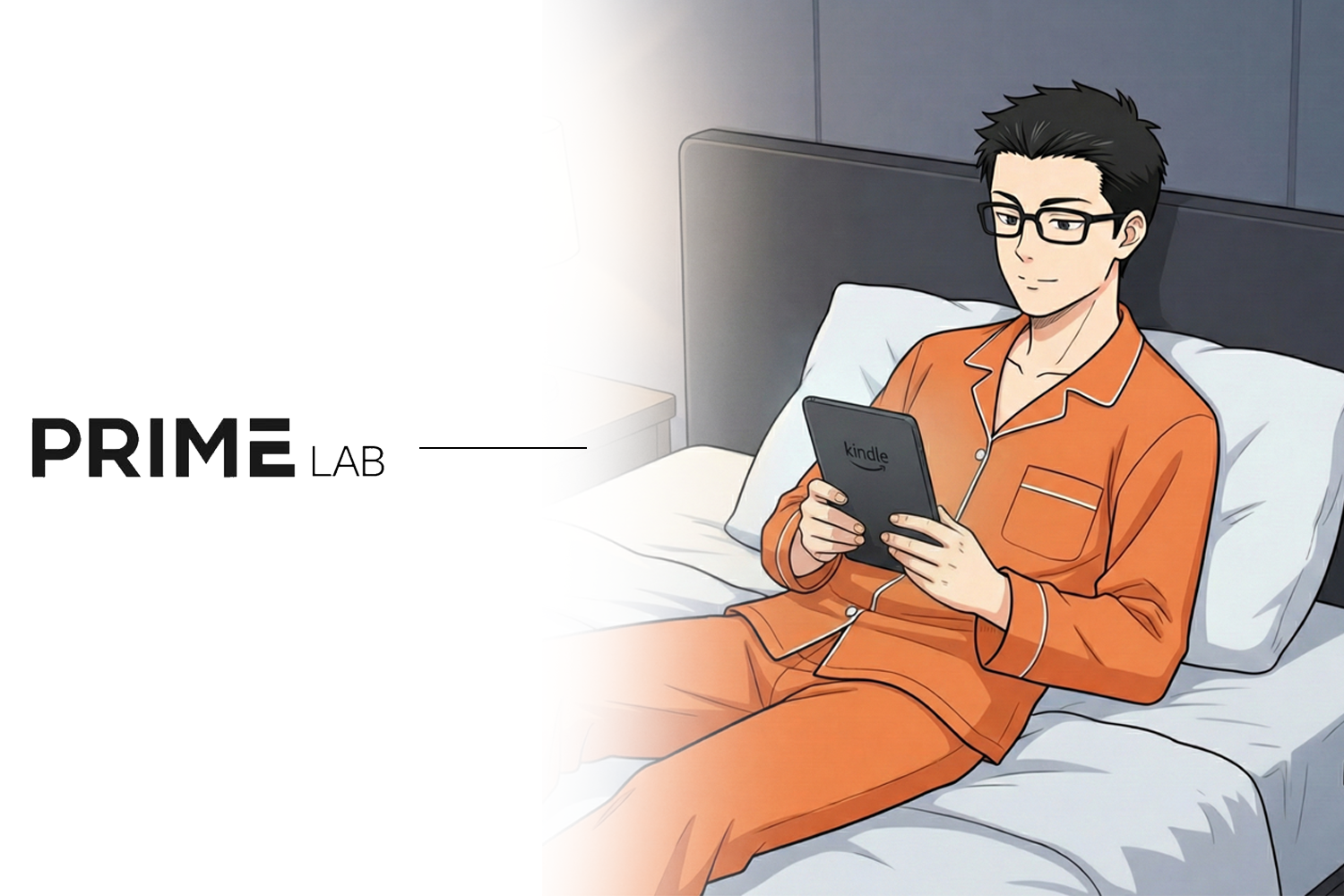
The lights are off. The A/C is off too. All that remains is the old electric fan in the living room, ticking rhythmically like a metronome, reminding me that it's very, very late.
I'm curled into a corner of the sofa. The room is pitch black, except for the glow of my cell phone. Its light flickers across my glasses, casting a blurry, tired face back at me. My eyes hide behind that screen — dull, disengaged — but my fingers keep moving like a well-calibrated machine, scrolling, every few seconds, like clockwork.
I know I should've been asleep hours ago. I even tried to make myself uncomfortable — no air-conditioning, no soft light — hoping those small irritations would force me to stop.
They didn't.
Several times I drifted into that dreamy pre-sleep haze… only to jolt myself awake again. It was as if something had latched onto my nervous system and wouldn't let go.
I. Addiction Isn't Always What We Think
We tend to reserve the word "addiction" for drugs, alcohol, gambling — things that clearly ravage the body. But modern psychology offers a broader definition:
Repeating a behavior you know is harmful, but can't stop yourself from doing.
By that measure, doomscrolling, compulsive social media use, and phone dependence all qualify.
II. The Biology of Addiction: Chasing Pleasure, Ending in Pain
Dopamine isn't pleasure itself — it's the engine that drives us to anticipate pleasure.
It fuels wanting, not satisfaction. And of course, wanting is essential.
But here's the catch: dopamine systems adapt. The more frequent and intense the stimulation, the lower the actual pleasure we feel — and the stronger the craving becomes.
Smartphones are masters at this game. They deliver potent hits of stimulation at high frequency and almost zero cost.
This is the classic addiction loop:
Craving → Brief reward → Baseline drops → Craving intensifies → Deeper dissatisfaction.
III. Phones Are Eroding Our Capacity for Real-World Joy
To me, this might be one of the deepest structural dilemmas of modern life:
The world has fundamentally changed. But our genes are still wired for the Stone Age.
Refined sugar hijacked our metabolic system.
Now, digital devices are hijacking our emotional one — with another kind of invasive overload: cheap, dense, high-frequency, instant dopamine hits.
One attacks our body. The other hijacks our feelings. Together, they slowly strip us of our ability to regulate our own rhythm, to access our own inner calm.
IV. Hidden in the Definition of Addiction — Maybe, a Way Out
1. First came brute force.
I must've deleted TikTok a hundred times. Physical separation. Environmental tweaks. Social accountability. Punishment mechanisms. All the standard behavioral psychology tricks. They worked — briefly. But the moment life got messy or pressure kicked in, the addiction slipped right back through the cracks like water.
Then one day, a strange thought hit me:
If I don't feel that something is "harmful", is it still an addiction?
But this was also NOT just a word game. It was a deeper realization:
Often, we're not really evaluating the behavior. We're evaluating ourselves — with shame, perfectionism, and self-judgment. And those judgments, ironically, are the very fuel that keeps the addiction going.
This is what we call the shame-addiction loop. The more you beat yourself up, the deeper the spiral.
2. So I tried going soft.
I wondered: what if I stop labeling the behavior as "bad" and just try to be kind to myself? Would that break the loop?
Turns out… not really.
Those well-meaning affirmations — "you're doing great," "everyone slips up sometimes" — still carry judgment, just in disguise.
Encouragement is still evaluation. And evaluation feeds shame.
3. So I started practicing: observe without judging.
Just observe. With curiosity, not conclusions. Treat the urge like a strange little creature passing through.
When I want to grab my phone, I now tune into my body instead.
V. My Practice
Step 1: physical separation ✋ Set a firm boundary: no screens after 9 PM. Phone stays in the living room to charge — never enters the bedroom.
Step 2: social support 👬🏻 Tell family, friends, and coworkers ahead of time. Set the expectation. Reduce interference.
Step 3: punishment mechanism 💰 Add friction. If I use my phone after 9 PM, I auto-transfer $200 to the Prime Lab project fund.
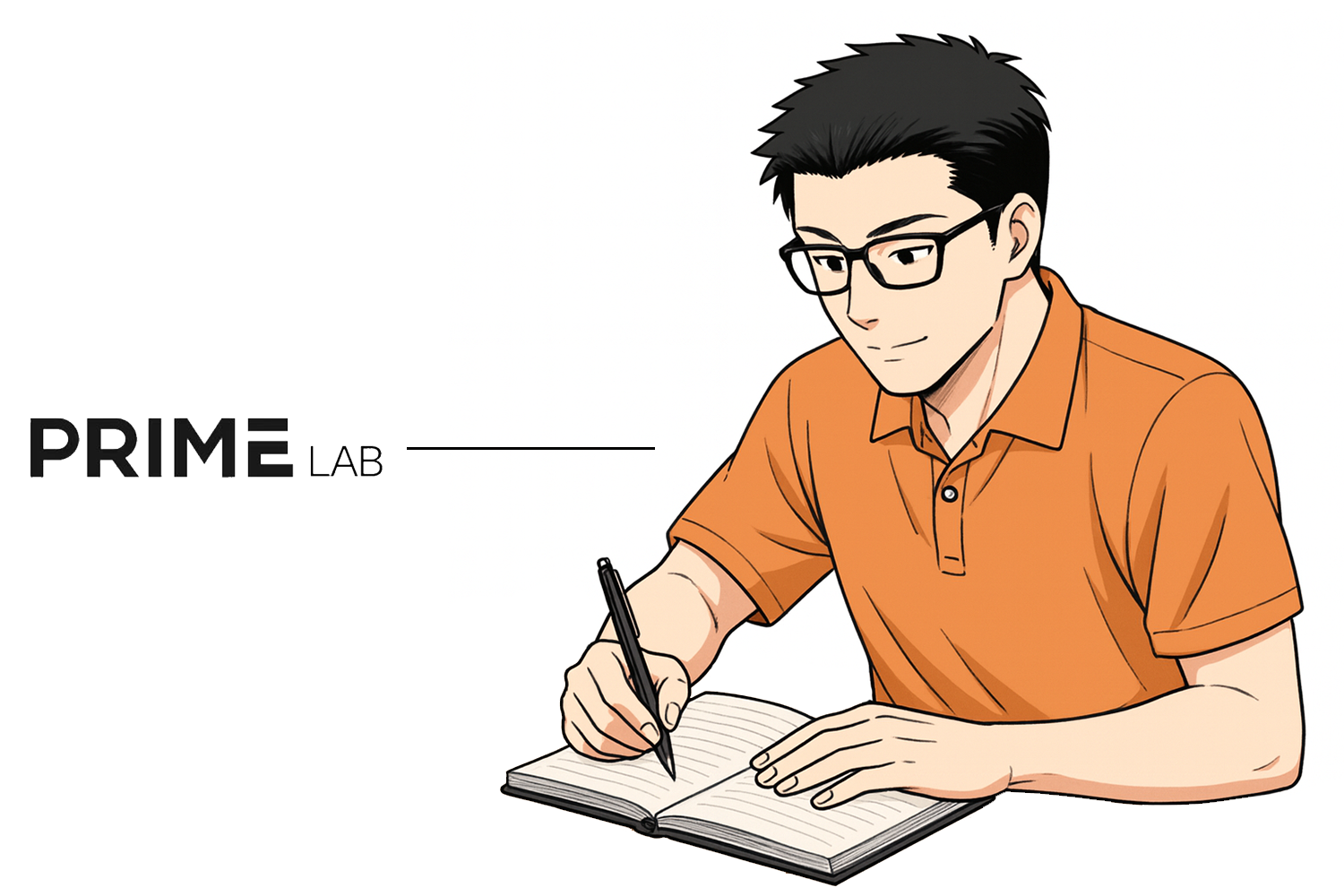
Step 4: Leave paper and pen in the bedroom. Write something. 🖋
It gives shape to awareness. It makes noticing easier.
The fuzziness, the agitation, the craving, the tangled emotions — they become words. Maybe only a few. Maybe messy and fragmented. But in those sentences, I get a moment of self-dialogue.
One More Thing…
Everyone has a vice. Because emotions need somewhere to go.
I didn't choose alcohol or cigarettes. Maybe, for me, it's the phone.
And I don't need to eliminate that need — I just want to set it at a healthier threshold.
Perfect behavioral design? It looks strong, but it's brittle. Real strength lies in self-understanding. In self-compassion.